
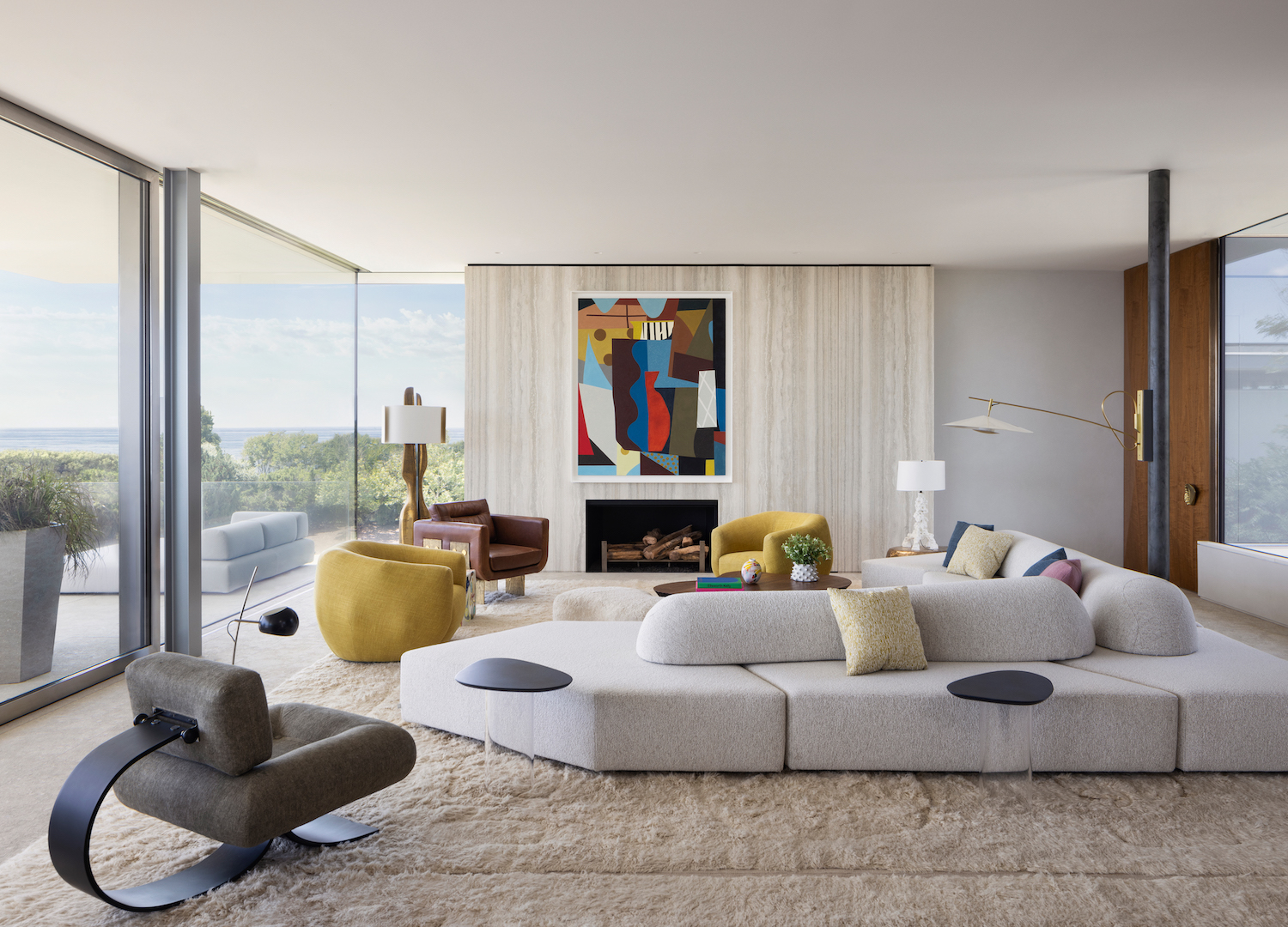
Windows play a vital role in a home’s design, offering natural light, ventilation, and aesthetic appeal. When choosing between options like casement window vs sliding window, homeowners must consider function, space, and design preferences. Each window type provides unique advantages that can enhance comfort, energy efficiency, and the overall beauty of your home.
What Are Casement Windows?
Casement windows are hinged on the side and open outward, much like a door. They are often operated using a crank or handle. This design allows for excellent airflow and an unobstructed view. Casement windows seal tightly when closed, offering superior insulation against wind and moisture. Their sleek design fits both modern and traditional homes, making them a popular choice for homeowners seeking style and performance.
What Are Sliding Windows?
Sliding windows operate horizontally, where one panel slides over the other. They are simple to use and ideal for spaces where swinging windows might not fit, such as near walkways or patios. Sliding windows offer wide, unobstructed views and are easy to maintain. Their minimalist appearance complements contemporary home designs while maximizing light and visibility.
Comparing Casement vs Sliding Windows
The main difference between casement and sliding windows lies in their operation and energy efficiency. Casement windows provide better ventilation and tighter sealing, while sliding windows offer convenience and a modern aesthetic. When deciding, homeowners should consider factors like ease of use, energy efficiency, and room layout.
Energy Efficiency and Performance
Casement windows are known for their airtight seal, making them ideal for energy-conscious homeowners. They help maintain indoor temperatures and reduce utility bills. Sliding windows, while slightly less energy-efficient, still offer good insulation with high-quality framing and glass options. Modern manufacturers now produce energy-rated versions of both window types to meet green building standards.
Aesthetic Appeal and Design Flexibility
Casement windows create a clean, elegant look that enhances both traditional and modern exteriors. Sliding windows, on the other hand, deliver a sleek, contemporary appearance that suits minimalist architecture. Depending on your design goals, each can enhance curb appeal while improving functionality and interior comfort.
Space Considerations in Window Selection
Space is another important factor. Casement windows require clearance to open outward, while sliding windows move along a track, making them perfect for compact spaces. If your home faces strong winds, casement windows offer better sealing; if you have limited room for window movement, sliding windows are the practical choice.
Maintenance and Durability
Both casement and sliding windows are built for long-term use when properly maintained. Casement windows may need occasional hinge lubrication, while sliding windows benefit from regular track cleaning. Choosing aluminum or uPVC frames ensures durability, corrosion resistance, and minimal upkeep, especially in humid or coastal regions.
Choosing the Right Window for Your Home
Your choice between casement and sliding windows should match your home’s design, climate, and personal preference. Casement windows are ideal for areas that need maximum ventilation and insulation. Sliding windows suit modern homes that emphasize simplicity, visibility, and ease of operation.
Conclusion
Windows define how a home looks, feels, and functions. Whether you choose casement window vs sliding window, each style offers its own blend of aesthetics and practicality. For modern homeowners, the right window is more than just a design choice — it’s a lifestyle upgrade that combines comfort, efficiency, and elegance in one.
