
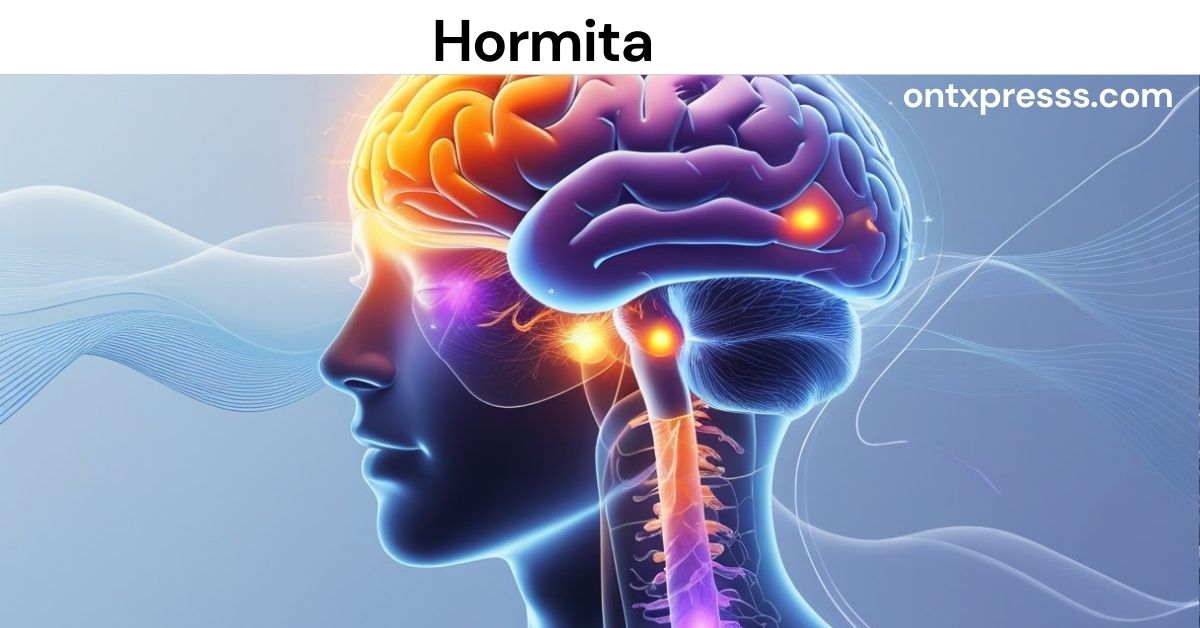
Hormita is a term that captures the intricate balance of hormones in the human body. These hormones, which act as chemical messengers, play a pivotal role in regulating various bodily functions, including growth, metabolism, mood, and reproductive health. Understanding the concept of Hormita helps us appreciate how critical it is to maintain hormone levels within their optimal range to ensure overall health and wellness.
In this comprehensive article, we will delve into the science of Hormita, exploring its importance, how it affects different bodily processes, and how to maintain a healthy hormonal balance. We will also discuss common hormonal imbalances and their effects on health, and provide actionable tips to support hormonal health.
What is Hormita?
Hormita refers to the delicate equilibrium of hormones within the body. These hormones are produced by various glands, including the thyroid, adrenal glands, pituitary gland, and pancreas, and travel through the bloodstream to target different organs and tissues. Hormones regulate several vital processes, such as metabolism, immune response, mood, stress response, sexual function, and overall homeostasis.
The balance of hormones is crucial, as even slight imbalances can lead to a range of health issues. Hormita emphasizes the interconnectedness of hormonal systems and how they work together to ensure the body functions optimally.

How Hormones Affect the Body
Hormones impact nearly every system in the body. The two main types of hormones are:
- Endocrine Hormones: These hormones are produced by specialized glands like the pituitary, thyroid, and adrenal glands. They control long-term changes in the body, such as growth and metabolism.
- Paracrine and Autocrine Hormones: These are secreted by cells and act locally to affect nearby cells or the cell that produced them.
Some of the key hormones in the body and their functions include:
Also Read: Giniä: A Complete, Easy-to-Read Guide for 2025
- Thyroid Hormones (T3 and T4): Regulate metabolism, energy levels, and body temperature.
- Insulin: Helps regulate blood sugar levels.
- Cortisol: Known as the “stress hormone,” it is involved in the body’s response to stress and regulates metabolism.
- Estrogen and Progesterone: Regulate reproductive processes in females, including menstruation, pregnancy, and menopause.
- Testosterone: Involved in male reproductive functions and also impacts muscle mass, energy, and mood.
- Adrenaline (Epinephrine): Triggers the “fight or flight” response during stressful situations.
- Growth Hormone: Plays a role in growth, body composition, and metabolism.
The Importance of Hormita: Why Maintaining Hormonal Balance is Crucial
The concept of Hormita highlights the importance of maintaining the right balance of hormones for overall health. Here’s why hormonal balance is crucial:
- Metabolism and Energy Levels: Hormones like thyroid hormones, insulin, and cortisol regulate metabolic processes. An imbalance in these hormones can lead to issues such as weight gain, fatigue, or difficulty in losing weight.
- Mood and Mental Health: Hormones such as serotonin, dopamine, and cortisol significantly affect mood and mental well-being. Imbalances in these hormones can lead to conditions like depression, anxiety, and irritability.
- Reproductive Health: Hormones like estrogen, progesterone, and testosterone are essential for regulating reproductive cycles. Imbalances in these hormones can lead to fertility issues, menstrual irregularities, and even conditions such as polycystic ovary syndrome (PCOS).
- Immune System Function: Hormones influence the immune system, and an imbalance can weaken the body’s defense mechanisms, making you more susceptible to infections and autoimmune diseases.
- Stress and Adrenal Health: Cortisol and adrenaline help the body respond to stress. Chronic stress or prolonged imbalances in these hormones can lead to adrenal fatigue, weight gain, and other health problems.
Hormonal Imbalances and Their Effects on Health
Hormonal imbalances are common, and they can result from various factors such as stress, poor diet, lack of exercise, aging, and underlying medical conditions. Some common hormonal imbalances include:
1. Hypothyroidism (Underactive Thyroid)
In hypothyroidism, the thyroid gland does not produce enough thyroid hormones. This can lead to symptoms such as weight gain, fatigue, depression, dry skin, and hair loss.
2. Hyperthyroidism (Overactive Thyroid)
Hyperthyroidism is the opposite of hypothyroidism, where the thyroid produces too much thyroid hormone. This can cause symptoms like weight loss, increased heart rate, anxiety, and insomnia.
3. Polycystic Ovary Syndrome (PCOS)
PCOS is a common hormonal disorder among women of reproductive age. It involves an imbalance in estrogen, progesterone, and testosterone, leading to symptoms like irregular periods, excessive hair growth, and infertility.
4. Adrenal Fatigue
Chronic stress can lead to adrenal fatigue, where the adrenal glands become overworked from constant cortisol production. This condition can result in fatigue, mood swings, poor immune function, and difficulty coping with stress.
5. Menopause
During menopause, women experience a decline in estrogen and progesterone levels, leading to symptoms such as hot flashes, mood swings, and sleep disturbances.
6. Testosterone Deficiency
Low testosterone levels in men can result in reduced libido, muscle loss, fatigue, and depression.
How to Maintain Hormonal Balance
Maintaining hormonal balance is essential for overall health. Here are some practical tips to help keep your hormones in check:
1. Eat a Balanced Diet
A diet rich in nutrients such as healthy fats, protein, fiber, and vitamins can help support hormone production. Incorporating foods like leafy greens, nuts, seeds, fish, and avocados can provide essential nutrients for hormonal health.
2. Manage Stress
Chronic stress can lead to elevated cortisol levels, which can disrupt hormonal balance. Engaging in stress-relieving activities such as yoga, meditation, and deep breathing exercises can help maintain a healthy balance.
3. Exercise Regularly
Exercise helps regulate hormones by improving circulation, reducing stress, and maintaining a healthy weight. Regular physical activity can also boost the production of feel-good hormones like endorphins.
4. Get Adequate Sleep
Sleep is essential for hormone regulation. Aim for 7-9 hours of sleep each night to support the production of hormones such as melatonin, cortisol, and growth hormone.
5. Avoid Endocrine Disruptors
Endocrine disruptors are chemicals found in everyday products like plastic bottles, pesticides, and personal care items. These chemicals can interfere with hormone production and balance. Reducing exposure to such chemicals can help support hormone health.
6. Consider Supplements
Certain supplements, such as magnesium, vitamin D, and omega-3 fatty acids, can support hormonal health. Consult with a healthcare professional before starting any supplements.
Hormita: A Holistic Approach to Wellness
Hormita emphasizes a holistic approach to health that focuses on the interconnectedness of hormonal systems. By supporting hormone health, we can improve our overall well-being, from energy levels and mood to reproductive health and metabolism.
The concept of Hormita is not just about balancing hormones in isolation but about creating a harmonious environment where the body’s hormonal systems work together efficiently. This approach encourages a lifestyle that promotes balance, mindfulness, and well-being.
Also Read: CNLawBlog: Your Comprehensive Guide to Understanding Legal Insights
FAQs About Hormita
1. What causes hormonal imbalances?
Hormonal imbalances can be caused by various factors, including stress, poor diet, lack of exercise, medical conditions like PCOS or thyroid disorders, aging, and exposure to environmental toxins.
2. How can I know if I have a hormonal imbalance?
Common signs of hormonal imbalance include unexplained weight gain or loss, fatigue, mood swings, irregular periods, acne, hair loss, and changes in appetite or sleep patterns. It’s important to consult with a healthcare provider for a proper diagnosis.
3. Can stress cause hormonal imbalances?
Yes, chronic stress can lead to elevated levels of cortisol, which can interfere with the balance of other hormones, leading to symptoms like fatigue, weight gain, and anxiety.
4. How do I naturally balance my hormones?
Eating a balanced diet, managing stress, exercising regularly, getting enough sleep, and avoiding endocrine disruptors are all effective strategies for maintaining hormonal balance.
5. What are the signs of thyroid imbalances?
Thyroid imbalances can cause symptoms such as weight changes, fatigue, hair loss, dry skin, and changes in heart rate. Hypothyroidism (underactive thyroid) can cause weight gain and fatigue, while hyperthyroidism (overactive thyroid) can lead to weight loss and anxiety.
6. Can hormonal imbalances affect fertility?
Yes, hormonal imbalances can significantly affect fertility. Conditions like PCOS and thyroid disorders can interfere with ovulation and make it difficult to conceive.
Conclusion
Hormita emphasizes the delicate balance of hormones in the body, which is essential for optimal health. By understanding the importance of hormones and how they affect various bodily processes, we can take proactive steps to support hormonal health. A balanced diet, stress management, regular exercise, and adequate sleep can all help maintain hormonal equilibrium, leading to better overall health and well-being.
By following the principles of Hormita, we can ensure that our body’s hormonal systems work harmoniously, promoting vitality, energy, and longevity.
