
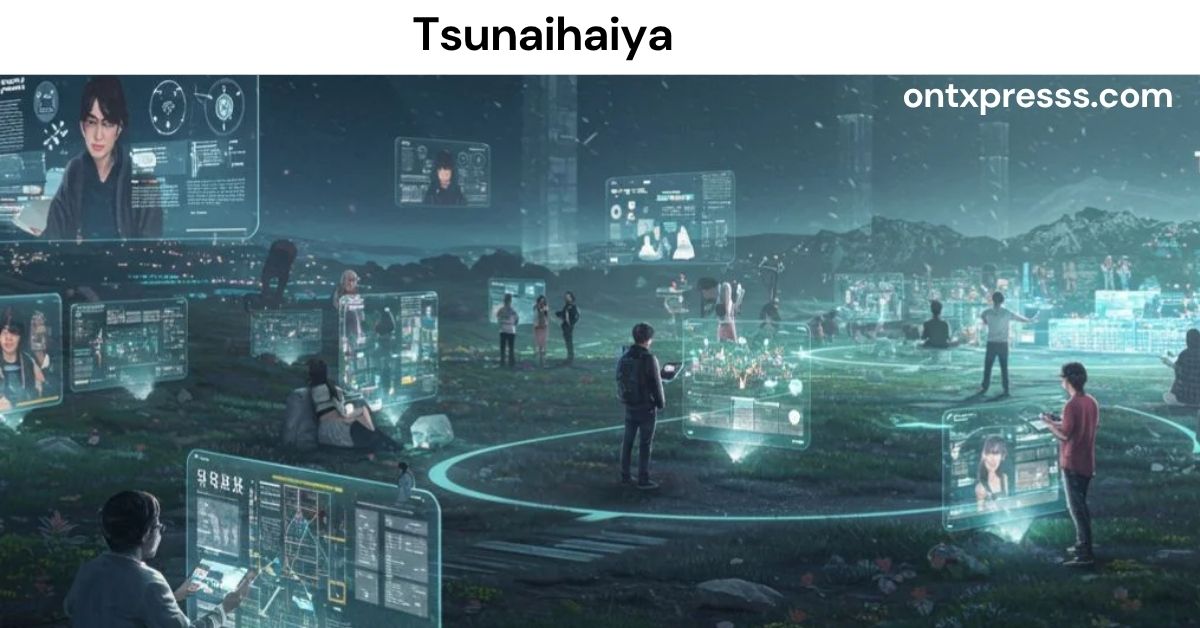
In an increasingly interconnected world, where cultural boundaries are continuously evolving, new symbols of identity, creativity, and cultural expression emerge. One such symbol is tsunaihaiya. This unique term represents more than just a name or concept; it stands as a fusion of tradition and modernity, blending ancient cultural practices with contemporary artistic innovation. This article will explore the depths of tsunaihaiya, its significance, and how it serves as a bridge between the past and the present, encouraging creative expression in diverse fields.
What is Tsunaihaiya?
Tsunaihaiya is a dynamic and evolving concept that encapsulates the essence of cultural identity through art, music, and fashion. The word itself carries deep meaning, often used to represent a blend of traditional cultural practices with modern forms of expression. While its roots can be traced back to ancient customs, tsunaihaiya is continuously evolving, finding relevance in contemporary society as a symbol of self-expression, creativity, and innovation.
At its core, tsunaihaiya embodies the spirit of cultural continuity. It is a celebration of one’s heritage and identity, merged with the influences of modern life, resulting in a unique, vibrant expression of who we are today. Whether it’s through design, fashion, or other creative outlets, tsunaihaiya encourages individuals to explore their roots while embracing the world around them.
The Cultural Significance of Tsunaihaiya
The concept of tsunaihaiya is deeply tied to the cultural expressions of various communities. In many parts of the world, particularly in regions with rich histories and deep traditions, there exists an ongoing effort to preserve cultural identity. Yet, there is also a need to adapt and innovate as cultures intertwine in our globalized world. Tsunaihaiya serves as a bridge between these worlds—bringing forth traditional values while incorporating contemporary elements that resonate with modern audiences.
Connection to Heritage and Tradition
Tsunaihaiya is not simply about creating new trends or following modern fads; it’s about honoring the past. The origins of tsunaihaiya can be found in the traditional crafts, languages, rituals, and art forms that have been passed down through generations. By revisiting these forms and reinterpreting them through the lens of modern creativity, individuals not only preserve their cultural heritage but also infuse it with new life and meaning.
Also Read: Switching 2nd: The Art of Contextual Adaptation
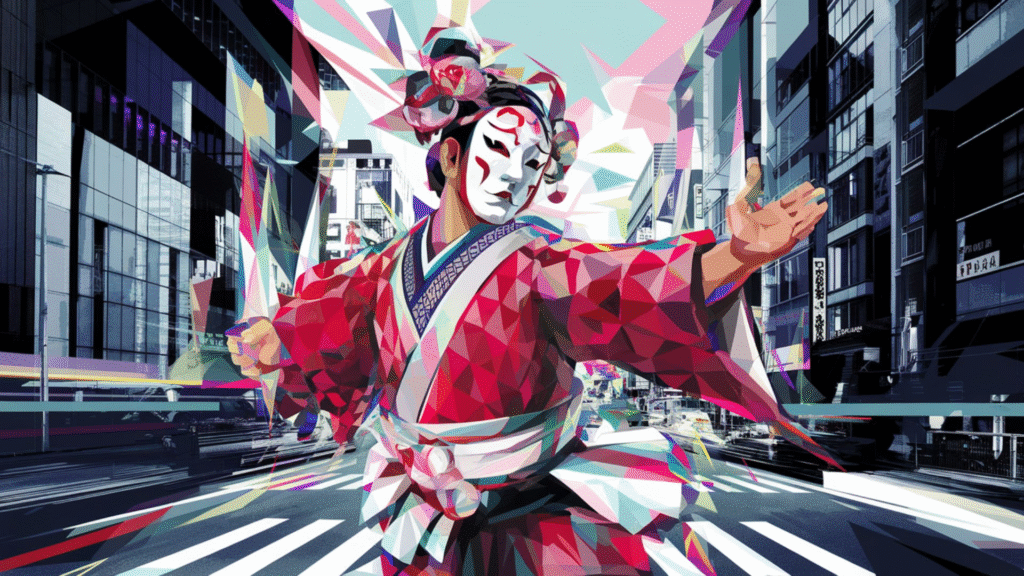
Whether it’s a traditional dance incorporated into a modern music video or the use of ancient motifs in modern clothing designs, tsunaihaiya allows for a harmonious coexistence of old and new. It recognizes the importance of retaining cultural uniqueness while adapting to the evolving cultural landscape.
Innovation in Modern Context
While deeply rooted in tradition, tsunaihaiya encourages modern creative innovations. This creative revolution is seen in the way the concept of tsunaihaiya finds its place in digital arts, urban street fashion, and even technology. Whether through graphic design, music, or new media, the adaptability of tsunaihaiya speaks to the modern creative’s ability to preserve cultural references while experimenting with cutting-edge tools and techniques.
In fashion, for example, the blending of traditional patterns with modern cuts, fabrics, and designs embodies the essence of tsunaihaiya. In music, it might be seen in genres that integrate traditional instruments and rhythms with electronic beats or popular sounds. This combination results in art forms that appeal to both nostalgic sentiments and the desires for something fresh and new.
How Tsunaihaiya Influences Art and Fashion
Art and fashion are two areas where tsunaihaiya has found particular relevance. The fusion of cultural motifs with contemporary styles is evident in many fashion collections around the world. From indigenous patterns to ancient art forms, designers today are revisiting traditional designs and blending them with modern silhouettes and materials, creating garments that are both timeless and contemporary.
In Fashion
Tsunaihaiya in fashion is all about taking something familiar and giving it a modern twist. The use of traditional textile techniques, like hand-woven fabrics or embroidery, is being merged with the sleekness of contemporary fashion. Designers incorporate these techniques into pieces that are not only aesthetically pleasing but also tell a deeper story about culture, history, and personal identity.
One example of this is the incorporation of tsunaihaiya elements into streetwear, where traditional motifs and contemporary cuts blend seamlessly to create something that feels familiar yet entirely new. It’s a fusion of modern rebellion and cultural respect, a fusion that speaks to younger generations who value both heritage and innovation.
In Art
Artists around the world are using tsunaihaiya as a means of exploring identity and expression. By incorporating traditional art styles into digital or mixed media, artists honor their past while pushing the boundaries of artistic practice. These new art forms reflect an evolving cultural narrative where the past is not just a source of inspiration but also a tool for shaping contemporary artistic landscapes.
Tsunaihaiya gives artists a platform to express complex cultural identities and experiences, blending age-old traditions with modern art movements. This approach not only redefines what it means to be “culturally connected” in the 21st century but also challenges traditional notions of what constitutes modern art.
The Global Impact of Tsunaihaiya
Though its origins may be specific to certain cultures or regions, tsunaihaiya has global implications. In an era of cultural exchange and global communication, the blending of traditional cultural forms with modern creativity resonates with a worldwide audience. Today, tsunaihaiya is not just an individual cultural marker; it is a universal expression of how cultures can adapt, thrive, and innovate.
Also Read: MyGreenBucks Kenneth Jones: A Comprehensive Guide to Eco-Friendly Financial Habits
As more people across the globe embrace the fusion of the past with the present, tsunaihaiya serves as a model for how cultural creativity can be celebrated and shared. This movement encourages individuals to draw inspiration from their roots while exploring and experimenting with new mediums and forms of artistic expression.
Tsunaihaiya in Digital and Social Media
With the rise of social media platforms like Instagram, TikTok, and YouTube, tsunaihaiya is quickly spreading across borders. Artists, musicians, and influencers are using these platforms to showcase their creations that blend traditional cultural references with modern styles. This digital revolution has allowed tsunaihaiya to take on a life of its own, reaching audiences who may never have encountered these cultural practices before.
Creators are embracing new tools and technologies, allowing them to communicate ideas and emotions in ways that were not possible before. The tsunaihaiya movement is not just an aesthetic—it’s a living, evolving dialogue between cultures that continues to thrive in the digital age.
Also Read: Tractor Supply Sales Associate Job Description: Everything You Need to Know
FAQs About Tsunaihaiya
What does the term “tsunaihaiya” mean?
Tsunaihaiya represents a fusion of traditional cultural practices with modern creative expression. It is used to describe an artistic and cultural movement that celebrates heritage while embracing contemporary innovation.
How does tsunaihaiya influence fashion?
In fashion, tsunaihaiya blends traditional cultural motifs with modern design techniques. Designers use ancient patterns, textiles, and techniques in new ways, creating garments that connect the past with the present.
Can tsunaihaiya be seen in music?
Yes, tsunaihaiya is evident in music where traditional instruments and rhythms are fused with modern sounds, creating a new genre that reflects both cultural heritage and contemporary creativity.
Is tsunaihaiya a global movement?
Yes, while it has cultural roots in specific traditions, tsunaihaiya has become a global phenomenon as people worldwide embrace the fusion of old and new in creative expressions like fashion, art, and music.
How does digital media contribute to tsunaihaiya?
Digital platforms have allowed tsunaihaiya to reach a global audience, with artists and creators showcasing their work through social media. This helps spread the movement far beyond its cultural origins, making it accessible to a wider audience.
Conclusion
Tsunaihaiya is more than just a concept; it is a movement that speaks to the power of cultural adaptation and artistic innovation. By blending the richness of tradition with the vibrancy of modern creativity, tsunaihaiya offers a dynamic way for individuals to express their identity while embracing the diverse influences of the globalized world. Whether through fashion, music, or digital art, tsunaihaiya continues to inspire, connect, and celebrate the beauty of cultural evolution. It is a testament to the fact that tradition and modernity can coexist harmoniously, creating something fresh, meaningful, and globally relevant.
